 Storm Austen is set to bring heavy rain, strong winds and flooding to Ireland on Thursday night and Friday morning.
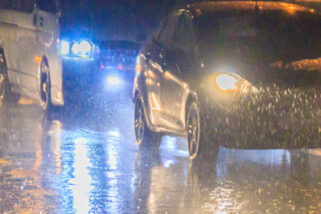
A familiar road can become a very different journey when heavy rain reduces visibility, surface water builds up and sudden gusts catch vehicles side-on.
As Storm Austen approaches, the Road Safety Authority (RSA) is urging road users to take extra care on Thursday, 22 October, and Friday, 23 October. Orange rain warnings cover six counties, while a nationwide Yellow rain and wind warning will also be in place.
For anyone planning a journey, the priorities are straightforward: check conditions before leaving, slow down, leave more space and never attempt to drive through a flooded road.
Storm Austen weather warnings: counties and times
Met Éireann has issued the following warnings. All times are local.
| Warning | Areas affected | Valid from | Valid until |
|---|---|---|---|
| Orange rain | Cork, Kerry and Waterford | 10pm, Thursday 22 October | 5am, Friday 23 October |
| Orange rain | Dublin, Wexford and Wicklow | 2am, Friday 23 October | 8am, Friday 23 October |
| Yellow rain and wind | Nationwide | 7pm, Thursday 22 October | 10am, Friday 23 October |
Intense rainfall in the Orange warning areas is expected to cause flooding and very difficult travelling conditions, with disruption and delays possible on rail and bus services.
Across the country, heavy rain will spread eastwards as strong easterly winds turn northwesterly and strengthen, particularly in the south and southeast. Possible impacts include localised flooding, fallen trees and branches, displaced objects and disruption to outdoor events.
Before you travel
Check the latest Met Éireann weather warnings, local traffic reports and any updates from your transport operator before setting out.
The RSA particularly advises people in Orange warning areas to check local weather and traffic conditions before travelling. Allow extra time for slower journeys, diversions and congestion. If conditions along your route are deteriorating, consider postponing your journey.
Driving in heavy rain: slow down and leave more space
Wet weather demands more time to see a hazard, react and stop. Adjust your driving to the conditions:
- Reduce your speed. Allow a greater braking distance, particularly on motorways and dual carriageways, where standing water increases the risk of aquaplaning.
- Increase the gap ahead. Leave additional room between your vehicle and the one in front.
- Stay back from trucks and buses. Their spray can severely reduce visibility. The RSA advises holding back to a position where you can see their mirrors.
- Use dipped headlights. They help you see and make your vehicle more visible to other road users.
- Keep your driving smooth. Anticipate the need to slow down and avoid abrupt steering or braking.
- Watch carefully for pedestrians and cyclists. Poor visibility and spray can make them harder to spot.
What should you do if the road is flooded?
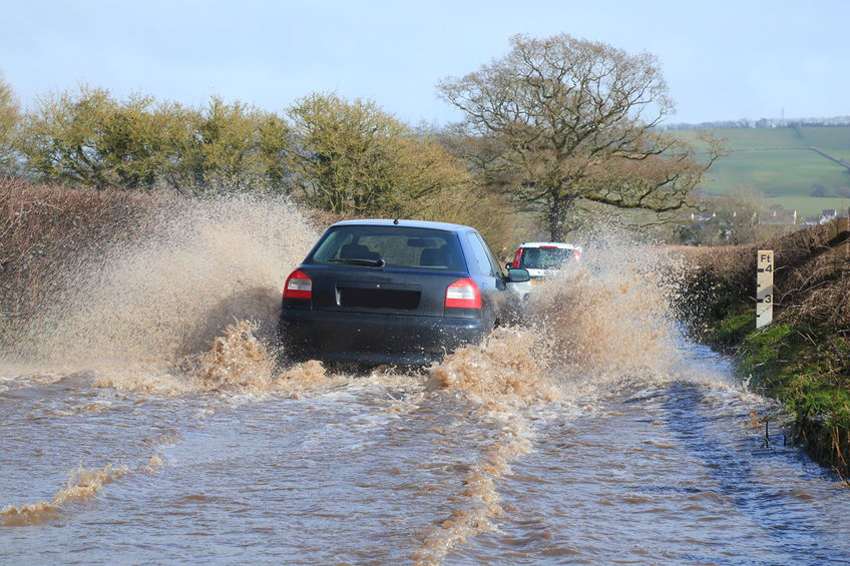
Choose another route. Do not attempt to drive through floodwater.
Water that looks shallow may conceal a much greater depth, a damaged road surface or a collapsed verge. Fallen branches and other obstacles may also be hidden beneath it.
Follow official diversions and obey road closures put in place by local authorities or An Garda Síochána. Another vehicle making it through does not establish that the road is safe for yours. The RSA’s advice is to avoid crossing flooded roads.
If you have passed through surface water, check your brakes when it is safe to do so. At a low speed, apply gentle brake pressure briefly to help dry them, making sure you can do so without endangering other road users.
Driving in strong winds: expect sudden gusts
Wind rarely blows steadily. A sheltered stretch of road can suddenly give way to an exposed bridge, an open field or a gap in a hedge.
- Keep both hands on the steering wheel and reduce speed to help maintain control.
- Prepare for crosswinds on exposed roads and bridges, and when passing gaps in roadside shelter.
- Give high-sided vehicles extra room. Strong gusts can affect their position on the road.
- Take care around large vehicles. Turbulence can unsettle your car, particularly when overtaking.
- Avoid cruise control so you can adjust your speed promptly as conditions change.
- Look out for debris, fallen branches and displaced objects. Watch for vehicles changing course to avoid them.
- Leave extra space when passing cyclists, motorcyclists and pedestrians. A gust may blow them off course.
Where practical, choose a less exposed route, while checking for reports of flooding, fallen trees and road closures.
Advice for pedestrians, cyclists, e-scooter users and motorcyclists
Poor weather makes it harder to see and be seen. Bright clothing and high-visibility material can help other road users spot you.
Pedestrians should use footpaths where available. Where there is no footpath, walk on the right-hand side of the road, facing approaching traffic. Take particular care when crossing and watch for falling branches or debris.
Cyclists should use working lights: white at the front and red at the rear and be alert to gusts, especially on exposed stretches of road.
E-scooter users and motorcyclists should assess conditions carefully before travelling. Strong crosswinds, standing water and debris can make a journey especially difficult.
All vulnerable road users should take extra care near passing traffic, where spray and sudden gusts can create additional hazards.
Keep checking conditions
Weather warnings and road conditions can change. Check again before the return journey, particularly if travelling overnight on Thursday or early on Friday.
For further guidance, visit the RSA’s severe weather advice and Met Éireann’s latest warnings.
Give yourself time, give others space and, if you encounter a flooded road, turn back when safe and find another route.