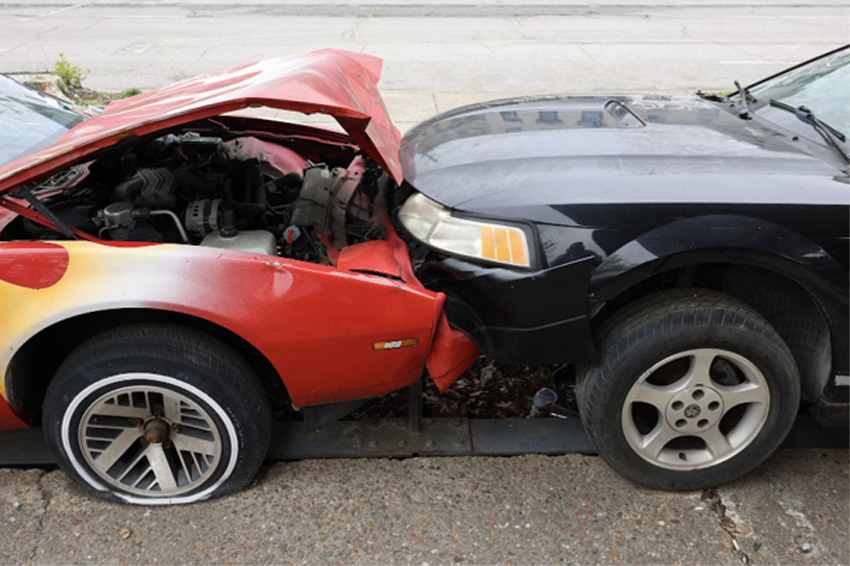
https://unsplash.com/photos/cars-are-involved-in-a-frontal-collision-RzVENp1UbRc
Someone hits you. Not only do you have to deal with that, but the driver tells you they don’t have insurance.
You may still be able to recover some losses through your own insurance or other legal options. It’s best to know what steps to take after this type of accident.
Here is some information that can help you.
This article will cover:
- Finding out if the driver has insurance
- What you should do after an accident
- Types of coverage that may pay
- What to do if a claim is denied or it was a hit and run
Is the Other Driver Really Uninsured?
Not having an insurance card does not always mean the driver is uninsured. There are ways that the driver may be insured. Make sure you allow your insurance company to look into this.
Also, the driver may not be the owner of the vehicle. If they are driving the vehicle with permission from the owner, they may be insured through the owner’s liability insurance. Depending on what is listed in the policy, you may be able to collect through this insurance. Make sure you give your insurance company the driver’s and vehicles information if you have it. There could be an insurance policy that can help.
Many people drive around without insurance. According to a 2025 study, the Insurance Research Council reported that 15.4% of U.S. motorists were uninsured in 2023. There may be more or less people that don’t have insurance here in Houston.
Just because a driver doesn’t have insurance does not mean they are at fault. You will still need to show that they caused your accident.
If you have suffered serious injuries or there is a dispute on who is at fault, it can be hard to decide your next steps. Hiring a car accident attorney can help. For Houston-specific information, you can visit https://www.pstriallaw.com/practice-areas/houston-car-accident-lawyers.
What to Do Immediately After the Crash
First, make sure everyone is okay and move to a safe location if you can. Then you can do these things:
- Call emergency services if necessary. If you were injured or unable to operate your vehicle, you must report the accident to the police.
- Get information from the driver. Make sure you have the name, phone number, license plate and insurance information. If they do not want to give you this, do not argue.
- Take pictures. Take pictures of any damage, street signs, debris, etc. Also, get the contact information of any witnesses.
- Get medical attention. Tell your doctor what you are feeling and follow his/her instructions.
- If the police came, get information on how to retrieve your accident report.
Do not accept money to not pursue your claim. There can be more damage to your vehicle and injuries that are unknown at the time.
Which Insurance Coverage Could Pay?
Your policy will dictate what coverage can pay. Here is some information to know:
Uninsured motorist coverage
If the driver that hit you is at fault and has no liability insurance, your uninsured motorist, or UM, coverage can help you recover some or all of your damages. UM can also help if it is determined to be a hit and run accident.
Your insurance company is required to offer UM in Texas, unless you decline in writing. Make sure to check your policy to see how much you have. You may have a deductible that applies to property damage.
If the driver’s liability coverage is too low, your underinsured motorist (UIM) coverage may help with eligible losses, subject to policy terms and limits.
Collision coverage
Your collision coverage can pay for your vehicle to be repaired or replaced. There may be a deductible and policy limit that applies.
Collision will not pay for your medical bills. If you only have liability, it will most likely not pay for your vehicle.
If you have both collision and uninsured motorist, you should ask your insurance company which they would recommend using. They can have different deductibles and what they will cover. You can only collect once, so compare what each one will pay.
PIP and medical payments coverage
PIP can help pay for your medical bills and lost wages. Texas auto policies include PIP unless it is rejected in writing.
You can also purchase medical payments to help pay for your medical bills, but it will not pay for lost wages like PIP. Know how much you have to work with for each one.
File a Claim and Protect Your Evidence
Once you have information, call your insurance company to report the accident. Let them know that the other driver did not have insurance or their information is unknown. Find out what coverage you can use.
Have a file that contains:
- Your accident report, pictures and witness information
- Information on repairs, towing, transportation, etc.
- Medical bills, doctors visit information, lost wages, etc.
- Your claim number and any correspondence with your insurance company
Ask what your insurance company needs and when they will make a decision. Try to give them enough time to inspect your vehicle, unless it will cause more damage by sitting.
Sometimes when they remove bumpers or panels, more damage can be found. Let your adjuster know so they can adjust the price of your repairs. Tell the adjuster about newly discovered damage and request a revised estimate before approving more work. Whether the added cost is covered depends on the claim and policy. Keep receipts for transportation if you do not have your car, and see if you are eligible for rental car reimbursement or uninsured motorist.
Try to not sign off on a final settlement until you know all of your medical and vehicle bills. There may be a release that states you will not seek any more money from that claim.
If your insurance company denies your claim or part of it, you can appeal. Ask for an explanation from your insurance company in writing. You can dispute any mistakes with documentation and contact the Texas Department of Insurance if you are having trouble with your insurance company. They will not be able to determine who is at fault for the accident or force your insurance company to pay you.
If there is a dispute on how much your car was damaged, your insurance company may offer an appraisal. This does not decide who is at fault for the accident or if your insurance will cover it. There may be a cost that applies, ask about that before choosing to appraise.
What Changes in a Hit-and-Run?
If you were in a hit and run, write down as much of the plate number, color of the car, and direction they went. Report it as soon as possible and see if any businesses near the accident have security cameras.
You may be able to collect from your UM if you were in a hit and run, even if you do not find out who did it. The other driver’s insurance may remain unknown if they cannot be found. Ask your insurer how your hit-and-run coverage applies.
If the person stayed, but denies hitting you, you can ask your insurance company what they used to determine fault. They may not have had enough information.
Can You Sue the Uninsured Driver?
Yes, you can sue them if they were at fault. Just know that if you win, the person may not have the money to give you. You should look at your damages, insurance and how likely you can collect if you decide to sue.
If you and your insurance company are having issues, you may need to hire a lawyer to represent you.
There are time limits to sue someone in Texas. Many injury and property-damage lawsuits must generally be filed within two years, although exceptions can apply.
Wrapping It Up
When someone hits you and has no insurance, there are things that you can do to get paid. Make sure you seek medical attention, collect as much information as possible, and see what you can collect from your insurance. Knowing what you can do will help you decide if you want to pursue your insurance claim or sue.