Images from https://www.peakpx.com/
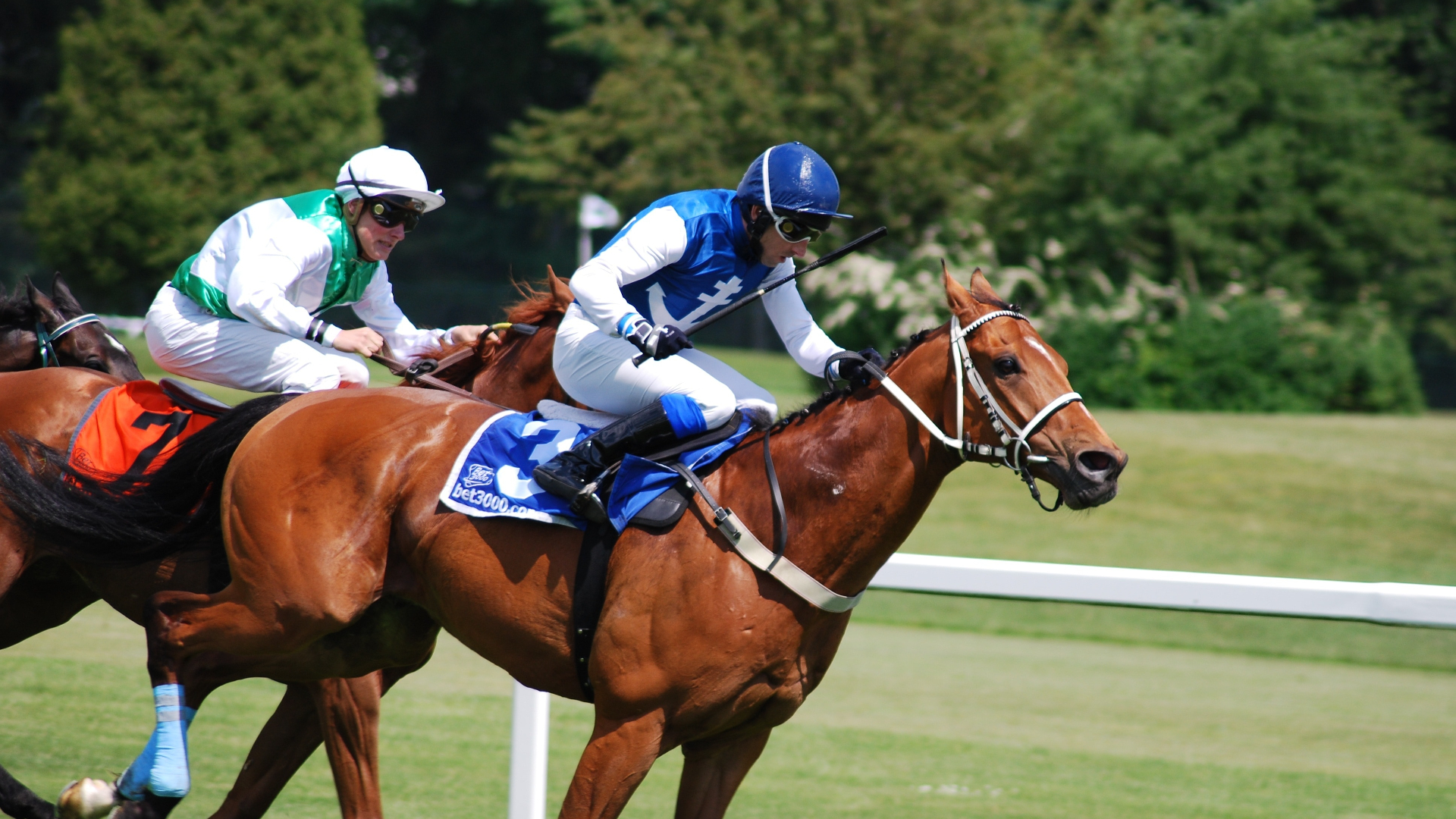
Horse racing has long been a part of Irish culture and history. The Irish people’s fascination with horse racing dates back to the 16tth century, and it continues to be a dominant event today. For many people, it’s something they always look forward to. Of course, with such an exciting event, you can’t avoid the topic of horse race betting. This makes watching the event a lot more exciting and interesting. Let’s examine how horse racing in Ireland evolved from a nobleman’s sport to a mainstream spectator sport and how betting changed along with it.
Early history of Irish horse racing
If you really want to go as far back as possible, there are ancient manuscripts that date Irish horse racing to the third century AD. These manuscripts mention chariot races that took place in modern-day Curragh. Considering that gambling, in general, has been part of Irish culture since 60 AD, spectators likely placed wagers on those chariot races of old too.
Fast forward to 1603, and you’ll find the first official manuscript of horse racing for the public. A royal warrant allowed the governor of Derry to host fairs and markets, which could have horse races for the people.
By 1751, horse racing took hold of the Irish public’s attention. There were already 409 horse racing locations established in the Emerald Isle, and in-person betting was allowed. This explosive growth continued throughout the centuries, bringing us to the success it enjoys today.
Formal acceptance of horse racing in Ireland
The 1603 royal warrant helped horse racing become a staple event for the Irish. By the 17th century, Irish horse racing became more competitive and organised, to the point where winning horses were sought after for breeding. Some of the King’s Plate races were also held in Curragh and were very popular with the masses.
During the mid-18th century, Ireland finally established its own horse racing regulatory body: the Irish Jockey Club. Although its original name was Society of Sportsmen, it changed its name for a third time to the Turf Club. This regulatory body kept its name until the end of December in 2017, when its name changed again to the Irish Horseracing Regulatory Board.
The Turf Club didn’t take long to get things sorted for the Irish horse racing industry. In 1790, they published the first volume of the Irish Racing Calendar, which provided details of any horse races happening throughout Ireland that year.
The expansion of horse race betting
Irish citizens could only legally bet on horse racing via onsite bookkeepers for several centuries. That meant travelling to the racecourse itself to interact with a bookie and place the bet. For those living near a racecourse, this wasn’t a problem; for those who didn’t, their only option would be to use illegal offsite bookkeepers.
This arrangement continued for centuries. It is possible that a great deal of money was lost due to unscrupulous offsite bookies. Bettors were always at risk with these off-course betting shops and had no protection at all for any wrongdoing.
This is why, in 1926, the Irish Free State government introduced a bill that legalised off-course bookkeepers. Doing so brought these bookies to light, placing them under regulation instead of penalising them.
In 1930, British betting company The Tote was allowed to operate on Irish racecourses, giving the Irish people more options when it came to picking a bookkeeper. As expected, local bookmakers strongly opposed this move; after all, this British competitor would affect their customer base and profits.
The Irish government extended bettor protections even further by introducing the 1962 Betting Act. This act outlawed illegal sports bookmakers by requiring them to obtain an operating licence. This practice is still in place today; all bookmakers considering offering horse racing betting lines need a licence before operating in Ireland.
Commercialisation of Irish horse racing
The Irish Racing Board has been around since 1945, overseeing the financing of the sport, managing prize money and building projects. However, it wasn’t until the 20th century that Ireland focused on managing horse racing investment. In 1994, the Irish Horse Authority was established to manage investments in racecourses and the races in general.
Ireland’s focus on nurturing its horse racing industry has paid dividends. Nowadays, the country is home to some of the world’s most famous horse racing events, such as the Irish Derby and Irish Champion Stakes. The country’s racecourses, such as the Curragh Racecourse, are also recognisable worldwide.
How horse race betting evolved in Ireland
As mentioned earlier, horse race betting has existed in Ireland for centuries. However, it took just as long for the country to adapt to changes and accommodate people’s situations. It wasn’t until 1926 when off-course bookkeepers were legalised, and it took nearly 40 years for the Irish government to require licences for bookkeepers.
This means that for centuries, the Irish people would either have to endure travelling to the racecourse on the day of the event or take a risk with an offsite bookie. If something went wrong, they don’t have any recourse to get their funds back.
The 1962 Betting Act was a game-changer for many bettors, as it was inconvenient for most bookkeepers at the time. Applying for a licence costs time and money, all for the privilege of operating in Ireland. The Act meant tangible protections for bettors in case things went wrong though.
Irish horse race betting laws have since evolved to keep up with changing trends. The market has gone from in-person betting only to legalising off-course bookkeepers to allowing anyone in Ireland to place bets on the go with their mobile phones. Nowadays, all a bettor needs to do is glance at their favourite betting app to get all the information they need.
If you want a quick idea of how integral horse race betting is to the Irish economy and way of life, the industry contributed €2.46 bn to the country’s economy in 2022. Most of that can be attributed to online sports betting.
Why bet online instead of at a retail location?
For some bettors, going to the racecourse or the betting office is part of the thrill. The journey to the bookkeepers gives them time to think and figure out the best ways to maximise their bets. It’s also a way for them to socialise with fellow bettors and maybe engage in a bit of banter too.
To those people, betting online is an unthinkable act that removes the social experience, but for others, it’s a major convenience. Mobile betting apps eliminate the journey to the betting station and remove the stigma of betting on a middling underdog. Everything is at your fingertips, and you can place your bets privately.
Online betting also allows you to harness all the available information right within the app. Aside from the obvious information, such as odds and predictions, most betting apps provide expert analyses and links to previous races. Access to such information can spell the difference between a blind bet and an educated wager.
Who are the top horse race bookkeepers in Ireland?
If you’re just starting out on your horse race betting journey, knowing which bookkeepers are worth your time and money is essential. Here are three of the most popular ones, in no particular order:
- Tonybet – Launched in the Irish market in 2022, Tonybet is a popular choice due to its tailor-made features. New members are eligible for a 100 per cent deposit match bonus of up to €100. All you need to do is make a first deposit of at least €10, then place a qualifying bet with a total stake of five times your initial deposit and odds of at least 1.5.
- Spreadex Sports – This reputable and fully licensed bookkeeper is another popular choice thanks to its 24/7 customer service line. New signups can enjoy a €40 bonus with a first bet and deposit of €10 with odds of ½ or greater.
- BoyleSports – Established in 1989, BoyleSports is a homegrown bookkeeper that got its start in Dundalk. New members who place a first bet of €10 will get a €30 bonus and another €10 they can use in the casino. Rewards expire within seven days, so act fast.
As always, it’s important to do some research before signing up with any bookkeeper. You want to ensure you’re getting the best odds while enjoying the most convenience; having a generous welcome bonus doesn’t hurt either.
Final thoughts
Horse racing and betting have been a staple activity in Ireland for centuries, and it’s showing no signs of slowing down. The industry is now at the point where Irish thoroughbreds are among the most sought-after horses in the horse racing world, and some of its events are considered vital benchmarks for a horse’s performance.
Despite its dominance today, it’s important to know how Ireland developed its love of horse racing. By learning the history, you can develop a greater appreciation and understanding of the sport that has captivated the Irish people for centuries.