 It would perhaps be the understatement of the decade to say that Apple has been busy this year.
From their 2020 releases to a fair few headline-making U-turns in their dealings with other companies, the year has been both rocky, and simply business-as-usual for the tech giant.
In fact, you would need to read an entirely separate article detailing every move, announcement, change, and public display Apple got itself into between now and January, all those months ago. Even their ‘‘One More Thing’ event back in November was a wordcount busting slew of announcements.
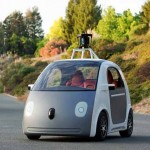
Still, the majority of us are used to dealing with Apple in the form of our phones, our Air Pods, our iWatches and Mac computers. They have, for decades now, had the market for everyday tech pretty much covered. Even their latest ventures, including the re-vamped Apple TV and Smart Glasses remain comfortably within this category – which is why it has come as something of a big surprise when Apple announced their plans to create and release a road-worthy, autonomous vehicle over the next few years.
Confused? Keep reading to find out more.
A Whistle-Stop Tour of Apple’s Changing Priorities
Apple’s major entanglement this year was with third-party App creators, and boosting security in a way that continues to maximise the profit they take from these developers. Some of the biggest developers as far flung as social media giants Facebook and Twitter, gaming leaders like https://www.mrgreen.com/ie/ and Zynga, and content sharing platforms like TikTok and YouTube all need to wrestle with Apple’s new App Store regulations and requirements – which will likely continue to evolve alongside perceived ‘threats’ throughout 2021, and beyond.
On the hardware side of things, Apple’s latest interests seem to lie in developing their own strengths in the combined worlds of at-home fitness, TV streaming, and gaming. For the tech giant, augmenting their own content libraries in each of these genres is enabling them to compete with industry standards, from Peloton’s fitness offerings to gaming powerhouses like Google Stadia and Microsoft Cloud Gaming.
So, why would Apple – a veritable leader in the world of consumer tech – decide to create an autonomous vehicle, and compete with the likes of Tesla, Waymo, and Baidu?
What We Know About the Car So Far
It may have passed many of us by, but the fact of the matter is that Apple has had an interest in developing autonomous vehicles for many years now. Way back in 2015, even, the tech giant was hinting at a new, road-worthy development being in the works, which means that Project Titan has been in development for at least five years, though likely longer.
Apple themselves have remained very quiet about the progress being made behind the scenes. The project is rumoured to be going ahead under the watchful eye of the company’s head of Artificial Intelligence, and that, in something of a U-Turn against Apple’s devotion to utilising only their own hardware, the company is calling on the help of a few other industry leaders for some of their tech.
What we do know, however – or can say with a high degree of certainty – is that it will take some time before we are able to see this project made manifest. Apple is infamous for dropping surprises on its fans – but, while some are convinced that 2021 is the year of the Apple Car, it is far more likely that we will see our first tangible proof of this vehicle sometime in the mid-2020s.
Knowing Apple, the safety of their driverless vehicles will be kept at the forefront of their efforts –particularly as so many of us remain skeptical about the technology.
One thing, however, is for certain: Apple’s latest project will surely make waves within a global market of drivers, excited to find new ways of hooking up their tech and exploring the very latest in groundbreaking tech.